Cleaning Tips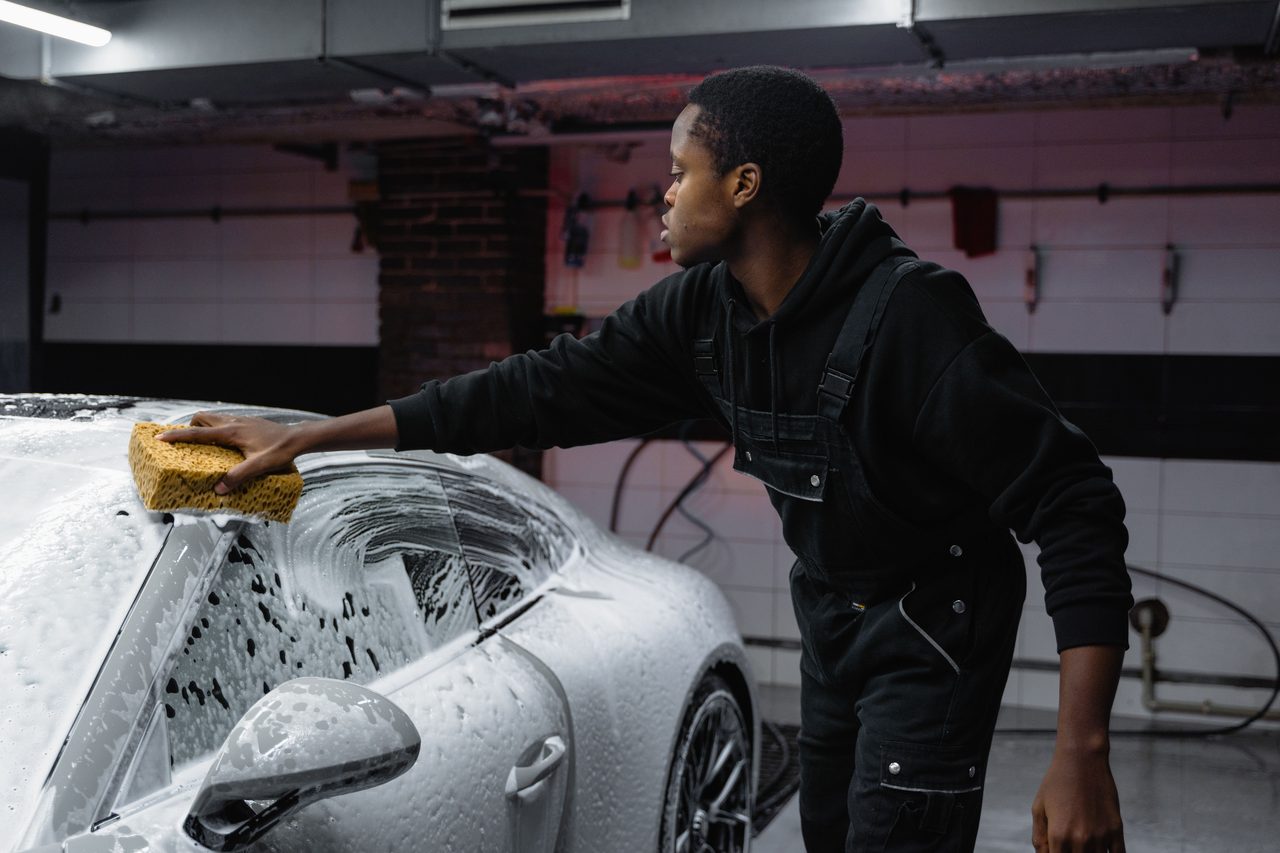
Car Detailing Guide: How to Keep Your Car Looking New
·8 min read
Your car is more than a way to get from A to B. It's a space where you spend hours every week — commuting, road-tripping, carpooling. A regular car detailing routine keeps that space clean, comfortable, and protected, and it helps your vehicle hold its value far longer than a quick drive-through wash ever could.
Most people think "detailing" means a fancy exterior wash. In reality, auto detailing is a deeper process: deep cleaning, protecting surfaces, and restoring both the inside and outside of your car. With the right car care routine, you can keep your vehicle looking newer for longer — and avoid the expensive repairs that come from neglect.
Car detailing is a deeper cleaning process than a regular car wash. A normal wash removes surface dirt; auto detailing focuses on the small details and on long-term protection.
A full detail usually includes:
The goal isn't only to make your car look clean — it's to protect its materials and maintain its value.
Your vehicle is constantly exposed to:
Over time, these elements dull your paint and make your car look older. Regular exterior detailing removes harmful contaminants and keeps the paint surface smoother and cleaner. Simple steps — proper washing, waxing, and using safe cleaning products — go a long way toward protecting your vehicle's appearance.
Many owners focus on the outside and forget the inside. Your cabin collects dust, food particles, fingerprints, and everyday grime. Air vents, cup holders, seat gaps, and door handles are the usual suspects.

Regular interior detailing keeps your cabin fresh and comfortable. The spots that need the most attention:
A clean interior makes every drive more enjoyable — and it's the part of detailing you'll notice most day to day.
You don't always need a professional detailer to keep your car in shape. A lot of car cleaning can be done at home with the right tools and a little routine.
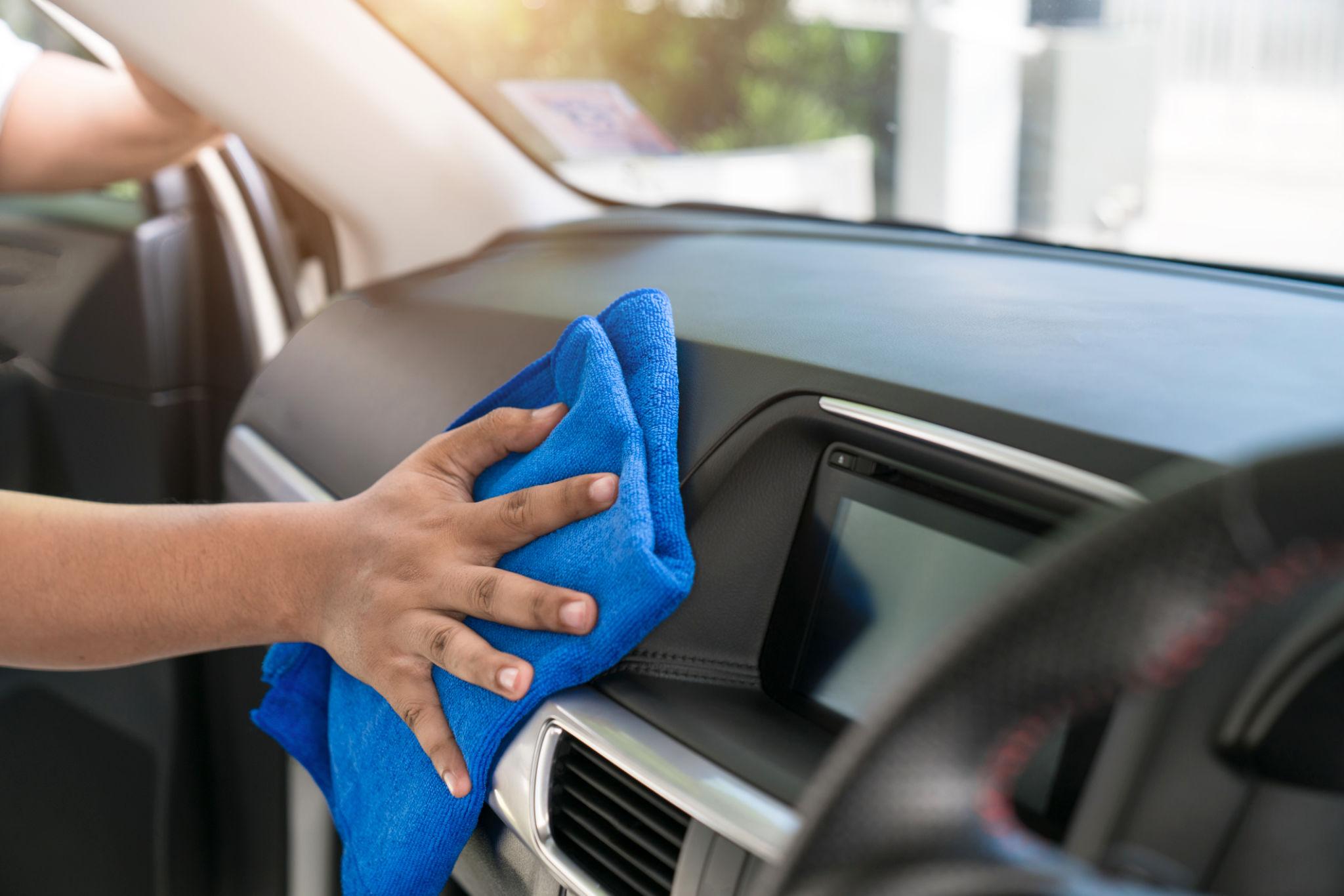
When cleaning the interior, start high and work down:
This order stops dust from falling onto surfaces you've already cleaned.
The gap between a basic clean and a professional detail is often the small details.

Pay attention to:
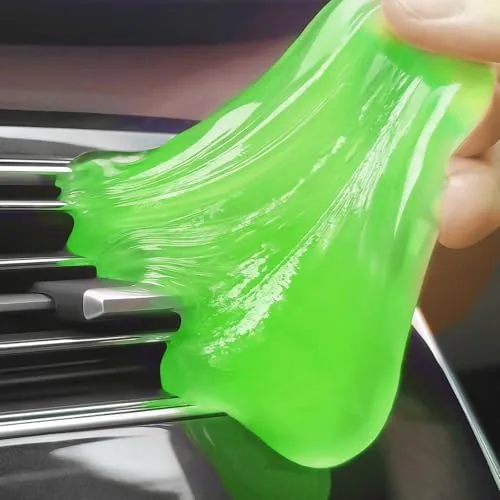
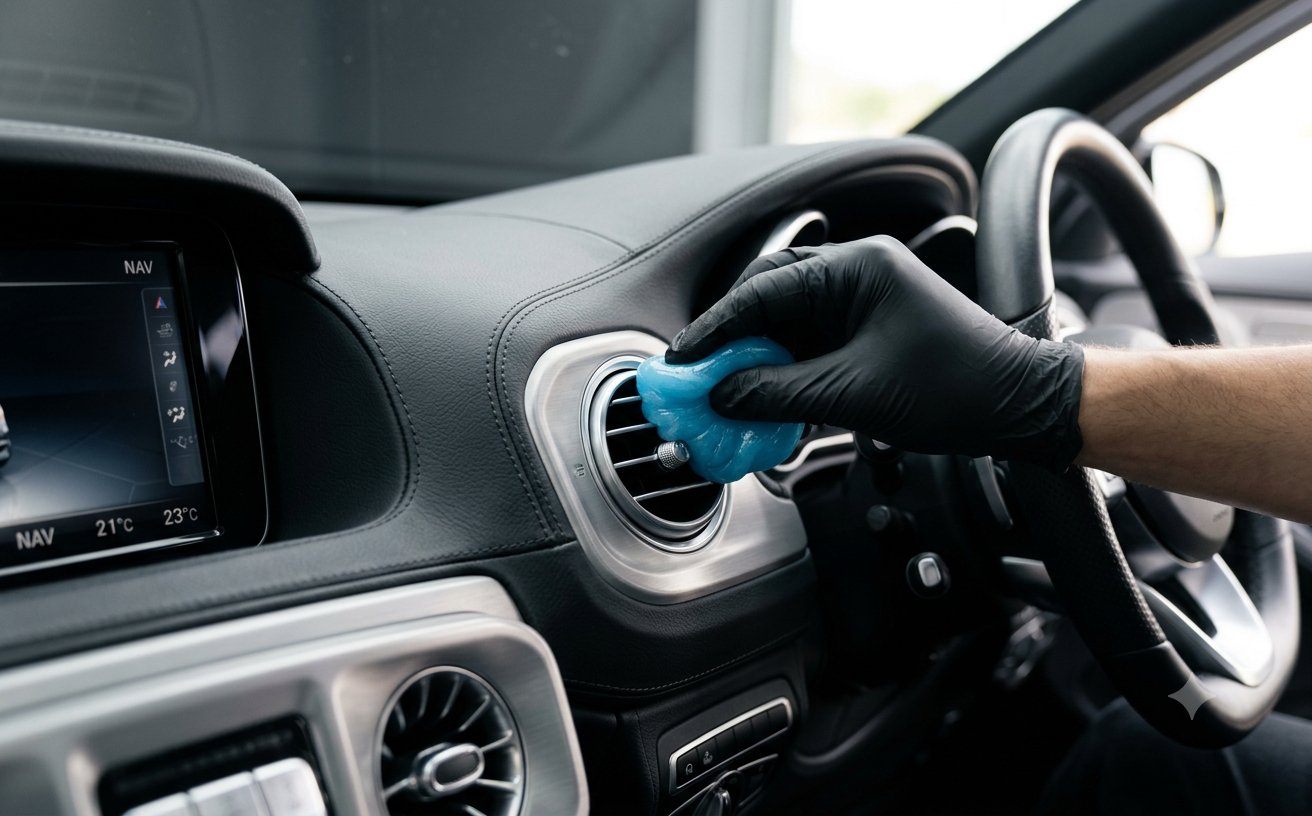
These spots collect dirt easily and are the first to be skipped. A cleaning gel is the easiest way to reach them without disassembling anything.
The right tools make car cleaning faster and safer:
Avoid household cleaners with strong chemicals — they can damage leather, plastic, and other automotive surfaces.
Excess moisture can damage electronics and create musty odors. For interior cleaning, use controlled amounts of product and always dry surfaces thoroughly.
A car can look clean from a distance but still hide dirt in the cracks. A proper detail covers every corner, not just the visible surfaces.
Different materials need different care:
The wrong product can leave stains, scratches, or surface damage that's expensive to fix.
The ideal schedule depends on how and where you drive. A simple routine:
Weekly
Monthly
Every 3–6 Months
Regular maintenance is easier and cheaper than fixing damage later.
Car detailing isn't only about making your vehicle look good. It's about protecting your investment and creating a cleaner driving environment. With simple habits and the right detailing tools, anyone can keep a car fresh, comfortable, and well protected — whether it's brand new or has years of stories behind it.
Shop this post
The exact products mentioned in this article.
Cleaning Tips
A practical, step-by-step routine for cleaning your car interior — from dashboard and vents to seats, cup holders, and touchpoints. Spend 20 minutes a week and your cabin stays showroom-fresh.
Cleaning Tips
Most drivers clean their car to protect it — but common habits like harsh cleaners, dirty towels, and dry dusting can scratch coatings and trim. Here are the 5 mistakes pros avoid, and what to do instead.

Cleaning Tips
From seatbelt buckles to A/C vents, these overlooked zones collect more dust than your dashboard. Here's how to clean them in under 10 minutes.